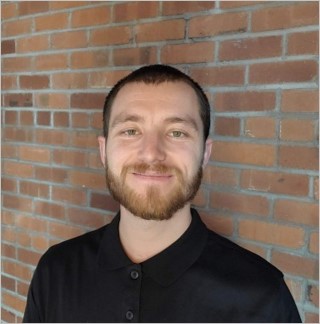
When Vergil Sorg graduated from high school, he needed a full-time job so he could pay for college. He’d always enjoyed working with his hands, so he took an entry level position in the Flagstaff, AZ machine shop of Machine Solutions, where they design and produce critical components for manufacturing life-saving medical devices like stents, heart valves, and catheters. Vergil started out sanding, packaging, cleaning, and sawing material on the second shift eventually working his way up to machinist, all while juggling a full engineering course load during the day.
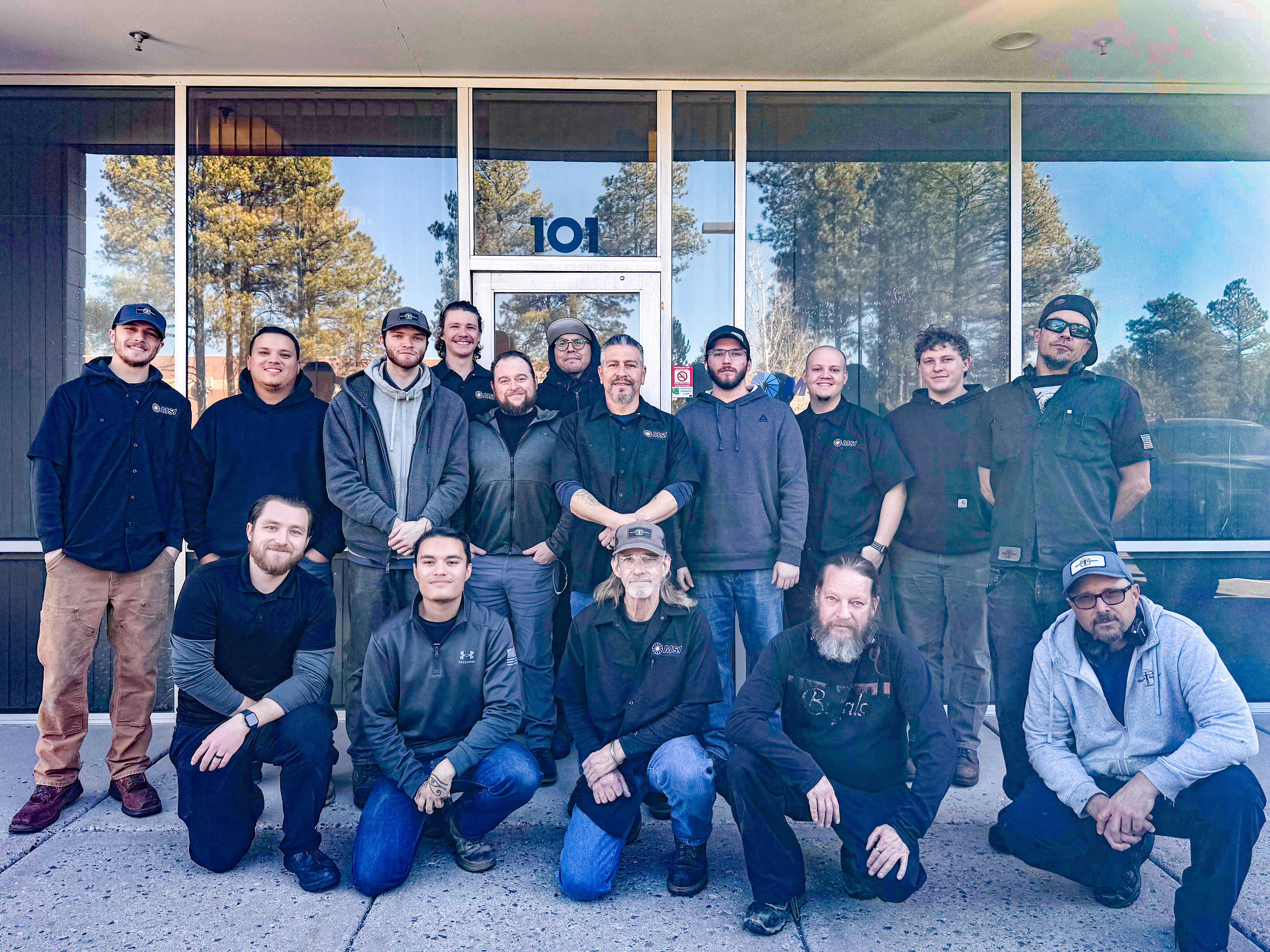
After earning his mechanical engineering degree, he became a Machine Solutions manufacturing engineer until four years ago, when he was presented with the opportunity to return to his roots and run the machine shop. Today, Vergil leads a team of 18 skilled machinists across two shifts whose craftmanship and dedication to building high quality and extremely precise machine parts are the lifeblood of Machine Solutions’ medical device manufacturing equipment lines.
“The things we make, they’re extremely difficult,” explained Vergil. “These parts are, in a sense, our core technology, they are what make us stand out in our niche market. We are pretty much the only people who can make them, and we do that very well here.”
That didn’t use to be the case. For years, Machine Solutions’ machine shop had been focused on the more rudimentary parts and small custom batch projects while the highly specialized proprietary parts were produced by a shop in the Netherlands, at the cost of several million dollars annually.
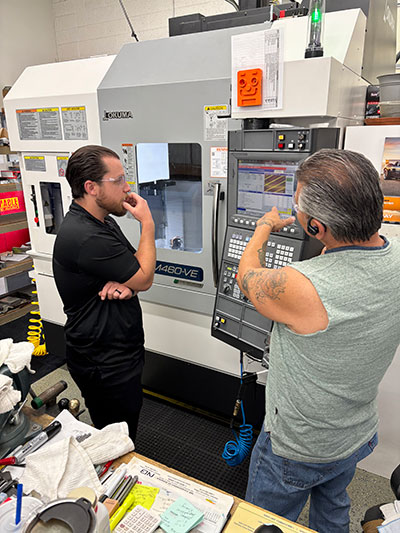
“We had a machine that was purchased over 10 years ago to support this kind of work, but the machine never performed as required,” explained Tom Doyle, Machine Solutions’ Chief Operations Officer. “We knew we needed to pull this work back inhouse, but we lacked the technical expertise to clearly define the problem and propose a solution. Once Vergil became the machine shop lead, this was his first major continuous improvement project.”
Vergil knew that successful insourcing of the proprietary parts hinged upon changing the vision for the machine shop. “There are thousands and thousands of parts in some of our assemblies. Do we want to do the really simple ones–the race to the bottom work–or do we want to be the best bespoke machine tool manufacturing team?” Vergil pitched to his team the idea that bringing in the specialized more intricate work would position them as some of the most skilled and highest performing people in their industry. “Machinists are a proud bunch. Being able to say the work we’re doing is some of the most difficult and challenging work to be done goes a long way to give a greater sense of pride in the job,” Vergil shared.
Once they established a vision for the shop to specialize, it made everything a lot easier. At Vergil’s recommendation, Machine Solutions invested in a Yasda 5 Axis Mill machining tool and other shop upgrades. He then partnered with the machine tool vendor to validate the technology, overseeing the production of numerous test pieces to confirm performance. Next came team building and development of new processes from the ground up. That’s where Vergil’s “let’s do it!” approach to continuous improvement served them well.
“I try to empower people in my span of care to come to me with their good ideas and, if we both agree, then I’ll say ‘let’s just do it! Let’s just try it immediately,’ Even if it fails, we take the knowledge gained and use it to become better,” he explained.
“There are thousands and thousands of parts in some of our assemblies. Do we want to do the really simple ones–the race to the bottom work–or do we want to be the best bespoke machine tool manufacturing team?”
Vergil said larger decisions and changes sometimes require them to be more methodical and careful, but he believes a misconception of continuous improvement is that it should be planned, rigid and structured. “There’s a lot of weight with some of the common CI terms. People think there should be long meetings and committees around simple decisions. I prefer the ‘sneak the pill into the dog food’ kind of meeting. When someone on my team comes to me with a great idea, we meet immediately and decide if we want to move forward with it. If it’s a minor change that could net significant benefits, let’s do it!” Vergil’s experience shows that the majority of the “needle movers” are due to incremental changes that are tested and implemented quickly.
“I let the team know that I want their improvement ideas. Bring them up, bring them up, bring them up, I say. I can’t guarantee every one of them is going to be a winner, but I try to foster the kind of environment that makes them feel free to bring up ideas quickly and constantly so they can make those changes themselves. I want my team to feel a sense of ownership,” Vergil said.
Nineteen months after the Yasda 5 was purchased, Machine Solutions was able to achieve a full return on their initial investment: across the project timeline they saw an average savings of $9K+ per job, cost savings of 63% per proprietary part, and reduced completion time per part by 4+ weeks.
Machine Solutions’ President Brian Strini said this of Vergil’s leadership: “His background in mechanical engineering, combined with his hands-on experience as a skilled machinist, allow him to identify opportunities for continuous improvement and approach problem-solving from multiple perspectives. This often leads to innovative, out-of-the-box ideas that truly change the game.”
Vergil knows his early years in the machine shop helped him understand the constraints put on those he leads. To him, his biggest accomplishment is that no one has left his team. “Keeping the team happy doing what they do is very important to me. Good machinists take a lot of pride in their work. And when your life is on the line, when you need a procedure done or you’re on the operating table, it’s nice to know that the people who were responsible for building the technology they’re using put all their effort into making it the best possible solution for you.”